If Boca Chase is on your radar, one question matters fast: should you buy, or is it smarter to rent for now? That decision can feel especially tricky in a market where home prices, rents, insurance, and upfront cash all pull in different directions. The good news is that you do not have to guess. By comparing the real costs, your timeline, and how much flexibility you want, you can make a move that fits your life. Let’s dive in.
Boca Chase at a Glance
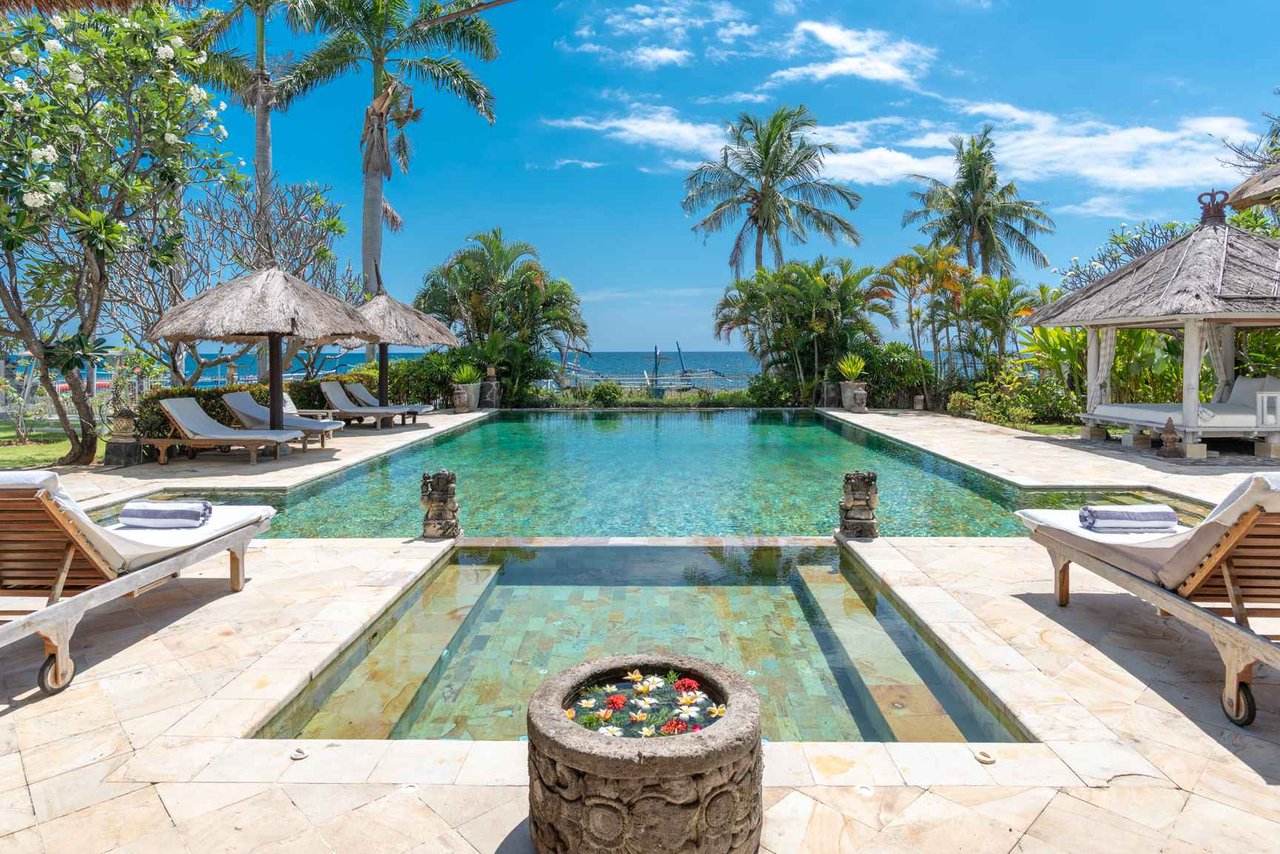
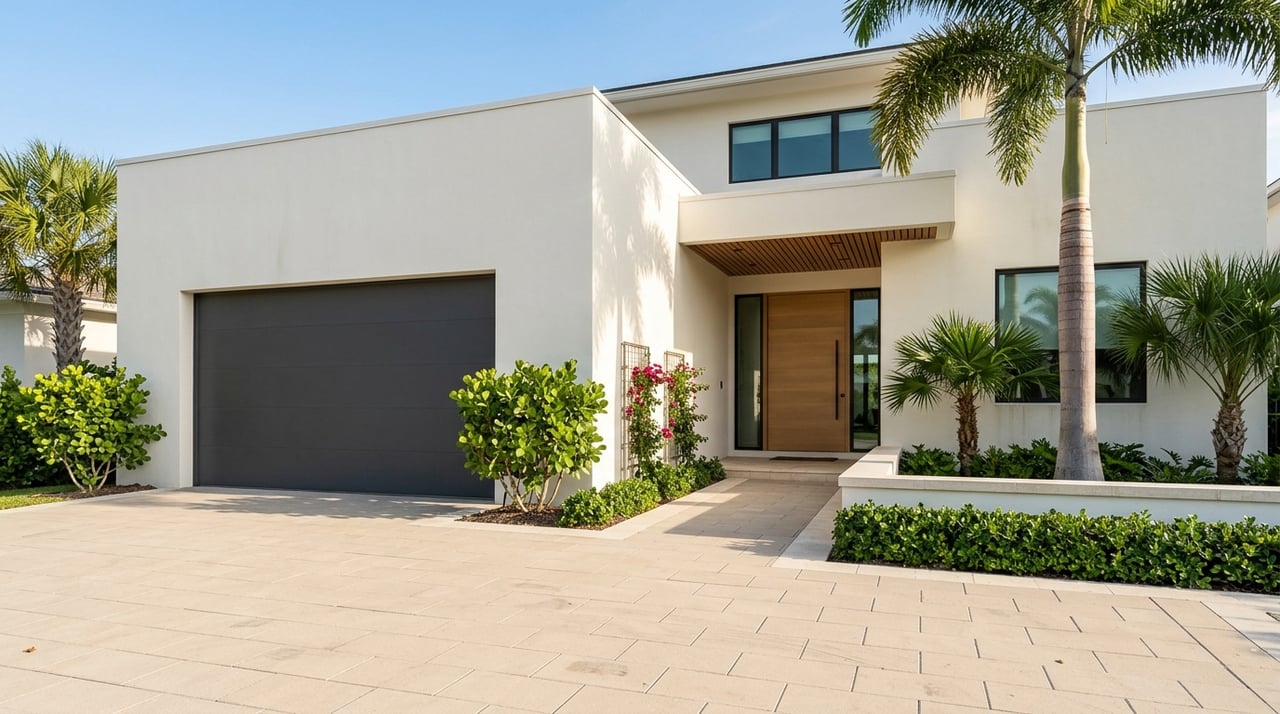
Boca Chase is an established West Boca Raton community in Palm Beach County with more than 1,400 single-family homes, villas, and townhomes built from the early 1980s through the late 1990s. The community site also notes amenities such as a clubhouse, three pools, tennis courts, and biking and jogging trails.
For buyers and renters, that mix of housing types matters. Boca Chase is made up of multiple sections, and some villa areas are age-restricted, so the rules can vary depending on the exact subdivision you are considering.
Boca Chase Market Numbers to Know
As of March 2026, Realtor.com reported a median listing price of $459,000 in Boca Chase, with 34 active listings and a median of 36 days on market. The same report showed homes selling at about 97% of asking price on average.
On the rental side, Realtor.com reported a median rent of $4,200 per month across nine tracked rental listings. It also showed median listing prices down 8.29% year over year, while median rent rose 23.71%.
That creates an interesting setup. Renting in Boca Chase is not cheap, and buyers may have some room to negotiate depending on the property.
Buying in Boca Chase
If you are thinking about buying, the monthly mortgage payment may look more manageable than you expect at first glance. Using the Boca Chase median list price of $459,000 and Freddie Mac’s April 30, 2026 average 30-year fixed rate of 6.30%, a buyer putting 20% down would finance about $367,200.
That puts the estimated principal and interest payment at about $2,273 per month. With 10% down, that rises to about $2,557 per month. With 5% down, it is about $2,699 per month, before mortgage insurance.
Those numbers can look favorable next to Boca Chase’s median rent of $4,200. But principal and interest are only part of the picture.
The Full Cost of Ownership
When you buy, you also need to budget for property taxes, homeowners insurance, flood insurance if required, HOA fees, maintenance, repairs, and utilities. These are the costs that often change the math from "mortgage is cheaper than rent" to "ownership works if I am ready for the full payment."
In Florida, insurance deserves extra attention. The Florida Office of Insurance Regulation said Palm Beach County Citizens policyholders were expected to see an average 11.9% premium reduction at renewal in 2026, but coverage options and pricing still vary by property and carrier.
Flood exposure is another address-specific item to verify early. FEMA notes that federally regulated lenders require flood insurance for buildings in Special Flood Hazard Areas, so checking the property’s mapped flood risk is part of smart due diligence.
Upfront Cash Matters
For many buyers, the biggest hurdle is not the monthly payment. It is the amount of cash needed before you even get the keys.
On a $459,000 purchase, a 20% down payment is $91,800. Closing costs typically add about 2% to 5% of the purchase price, which works out to roughly $9,180 to $22,950.
That means a 20% down buyer would usually need about $100,980 to $114,750 upfront, before moving costs, repairs, or reserve funds. If you want to keep more cash on hand, a lower down payment may help, but your monthly payment will usually be higher and may include mortgage insurance.
Owner Benefits to Consider
If the home will be your primary residence, Florida offers benefits renters do not receive. In Palm Beach County, a homestead exemption is available for a permanent residence and must be filed by March 1.
The Florida Department of Revenue says the exemption can reduce taxable value by up to $50,000. Save Our Homes may also limit annual assessment increases on a homesteaded property to the lower of CPI or 3%, which can help with long-term tax predictability for owner-occupants.
Renting in Boca Chase
Renting can still be the better move, even in a market where monthly rent is high. The biggest advantages are lower upfront costs, less responsibility for repairs, and more flexibility if your plans may change.
That flexibility matters if you are relocating, trying out the area, or expect a job or family move within the next few years. Buying and then selling too soon can be expensive, especially after closing costs and other transaction expenses.
When Renting Makes More Sense
Renting may be the better fit if you:
- Want to keep more cash liquid
- May move within the next few years
- Prefer less responsibility for repairs and maintenance
- Are still narrowing down which Boca Chase section fits you best
- Want time to evaluate HOA or subdivision rules before buying
In Boca Chase, subdivision-specific rules are important to confirm. Since the community includes multiple sections and some age-restricted villa areas, you should verify rental rules and occupancy requirements for the exact property you are considering.
Buying vs. Renting in Boca Chase
Here is the simplest way to frame the decision: buying can build stability, while renting can preserve flexibility. Neither option is automatically better. It depends on your finances, your timeline, and how much risk or responsibility you want to take on.
A quick side-by-side view can help.
| Factor | Buying in Boca Chase | Renting in Boca Chase |
|---|---|---|
| Upfront cost | Higher, with down payment and closing costs | Usually lower |
| Monthly housing cost | Mortgage plus taxes, insurance, HOA, maintenance, utilities | Rent plus renter-related expenses |
| Flexibility | Lower if you may move soon | Higher |
| Repair responsibility | Owner handles maintenance and surprise costs | Often lower than ownership |
| Long-term owner benefits | Possible homestead exemption and Save Our Homes protections if eligible | Not applicable |
Five Questions to Help You Decide
If you are torn between buying and renting in Boca Chase, ask yourself these five questions.
1. How much cash can you comfortably use upfront?
If you can cover a down payment, closing costs, and still keep reserves, buying may be realistic. If using that cash would leave you stretched, renting may give you more breathing room.
2. What is your full monthly payment, not just the mortgage?
A principal-and-interest estimate is helpful, but it is not enough. Before you decide, compare rent to the full ownership payment, including taxes, insurance, HOA dues, maintenance, and any mortgage insurance.
3. How long do you expect to stay?
The longer you plan to stay, the easier it may be to spread out the upfront costs of buying. If your timeline is uncertain or short, renting may be the more practical move.
4. How important is stability?
If you want more control over where you live and are prepared for the responsibilities of ownership, buying may line up with your goals. If flexibility matters more right now, renting may be the smarter fit.
5. Can you handle surprise costs?
Homeownership comes with unknowns. If a repair, insurance change, or HOA cost increase would create stress, it is worth factoring that into your decision before making an offer.
A Smart Boca Chase Decision Starts With the Right Property
In Boca Chase, the buy-versus-rent decision is not just about the neighborhood average. It is also about the exact home, villa, townhome, or subdivision you choose.
Before you commit to either path, make sure you verify:
- HOA documents and fees
- Rental rules for the specific subdivision
- Insurance quotes for the exact address
- Flood zone status
- Your lender’s total monthly payment estimate
Those details can shift the math quickly. A home that looks like a clear win on paper may feel very different once real insurance, HOA, and tax numbers are in front of you.
The Bottom Line on Buying Versus Renting in Boca Chase
In today’s Boca Chase market, buying does not automatically beat renting, and renting does not automatically save money. With median rent at $4,200 per month and median listing prices at $459,000, there are situations where buying can make sense, especially if you plan to stay long enough and are prepared for the full cost of ownership.
At the same time, renting can be the stronger move if flexibility, lower upfront cost, and reduced maintenance responsibility matter more to you right now. The best decision is the one that fits your timeline, your finances, and your comfort level with ownership.
If you want help comparing specific Boca Chase homes, rental options, and real monthly cost scenarios, Courtney Farrell can help you weigh your options clearly and move forward with confidence.
FAQs
What is the median home price in Boca Chase?
- Realtor.com’s March 2026 neighborhood data reported a median listing price of $459,000 in Boca Chase.
What is the median rent in Boca Chase?
- Realtor.com’s March 2026 neighborhood data reported a median rent of $4,200 per month in Boca Chase.
Is buying in Boca Chase always cheaper than renting?
- No. A mortgage principal-and-interest payment may be lower than median rent in some cases, but ownership also includes taxes, insurance, HOA fees, maintenance, repairs, and closing costs.
What owner tax benefit matters in Palm Beach County?
- For a primary residence, homestead exemption and Save Our Homes are key Florida tax considerations, and eligible owners should file with the Palm Beach County Property Appraiser by March 1.
What should you check before buying or renting in Boca Chase?
- The most important items to verify are HOA documents, subdivision rental rules, insurance quotes, flood zone status, and the total monthly payment for the specific property.
Are all Boca Chase sections the same?
- No. Boca Chase includes multiple sections, housing types, and some age-restricted villa areas, so rules and property details can vary by subdivision.