If you own, or are thinking about buying, a rental home in Boca Chase, the biggest mistake is treating it like just another Boca Raton address. This community has a specific housing mix, a small rental inventory, and a few practical checks that can shape your returns from day one. If you want a clearer picture of what matters before you lease, price, or market a property here, this guide will walk you through the key points. Let’s dive in.
Boca Chase rental market basics
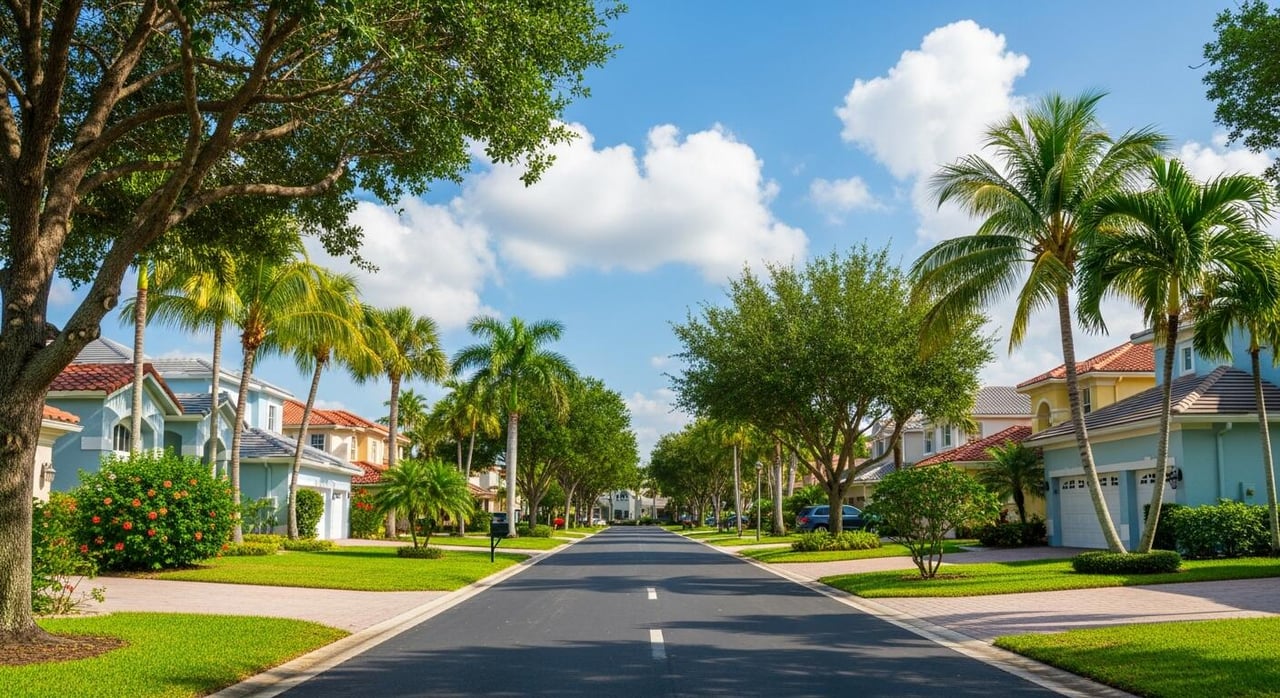
Boca Chase is a large planned community in West Boca with more than 1,400 homes, villas, and townhomes. The housing stock was built mainly from the early 1980s through the late 1990s, and the community is primarily made up of single-family homes, with smaller townhome and age-restricted villa sections.
That matters because the rental story here is shaped by the type of housing available. Boca Chase is not a dense multifamily rental pocket. It is better understood as a low-density, single-family-oriented area inside the larger Boca Raton market.
What rentals fit Boca Chase best
Current rental inventory in Boca Chase leans heavily toward detached houses. Realtor.com showed 13 rental listings in April 2026, with a median rent of $4,900, and the examples were mostly 3- and 4-bedroom homes.
That lines up with the community’s suburban layout, where garages, yards, and larger floor plans are part of the appeal. If you own a detached home here, your likely renter pool may be looking for space, function, and access rather than a more compact apartment-style setup.
Because listing volume is small, pricing can move around quickly. A handful of new listings or leased homes can shift the neighborhood median, so it helps to look at current competition closely instead of relying on one headline number.
Why renters choose Boca Chase
Boca Chase benefits from its West Boca location. The community offers access to shopping, dining, parks, the Florida Turnpike, and nearby airports, which can be important for households balancing work, travel, and daily convenience.
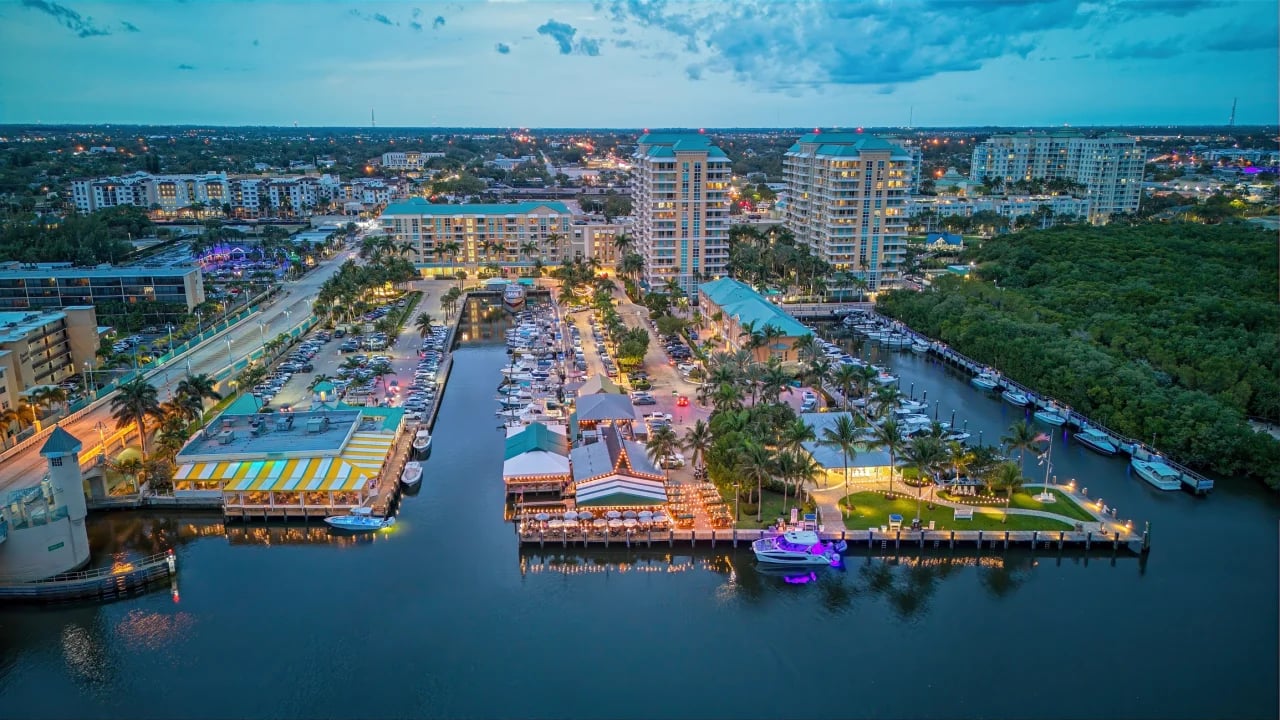
The broader Boca Raton area also adds to the draw. Boca Raton offers five miles of Atlantic coastline, 49 parks, 1,650 acres of recreational space, more than 30 corporate headquarters, four universities, and an airport with customs facilities.
Palm Beach County adds a strong regional backdrop as well. In the 2020-2024 ACS, the county had an estimated population of 1.58 million, a median household income of $83,581, and a mean commute of 26.5 minutes. Boca Raton city itself had a mean commute of 21.2 minutes and a median household income of $106,273.
Taken together, those facts suggest demand from professionals, relocating households, and long-term renters who want more space while staying connected to jobs and everyday amenities. For an owner, that means your marketing should focus on practical lifestyle benefits and the property’s usable features.
How Boca Chase compares to the larger market
Both Boca Raton and Palm Beach County are owner-heavy markets. Census data shows owner-occupied shares of 65.7% in Boca Raton and 70.1% in Palm Beach County.
That does not mean rentals are weak. It means rental opportunities can feel more limited in some neighborhoods, especially in a community like Boca Chase where the housing stock is largely detached homes rather than large-scale rental buildings.
Rent data also shows Boca Chase sits inside a higher-rent submarket. Median gross rent was $2,508 in Boca Raton city and $1,916 in Palm Beach County, while spring 2026 listing data showed a $2,850 median rent on Realtor.com for Boca Raton overall and a $3,200 average rent on Zillow. These numbers use different methods and geographies, so they are not direct apples-to-apples comparisons, but they do support the idea that Boca Chase is part of a relatively high-rent, high-income area.
Verify the property’s jurisdiction first
This is one of the most important checks for rental owners. Boca Chase properties are marketed with a Boca Raton mailing address in the 33498 ZIP code, but the City of Boca Raton notes that a Boca Raton mailing address alone does not confirm that a property is inside city limits.
Before you assume which local rules apply, verify the parcel’s actual jurisdiction. This can affect how you evaluate local requirements and planning assumptions for your rental.
If you are buying with the intent to lease, this is worth confirming early in your due diligence. If you already own in Boca Chase and are converting the home to a rental, it is still a smart step before advertising the property.
Check sub-community leasing rules
Boca Chase includes different sections, and not all sections operate the same way. Some villa sections are age-restricted, which means owners should confirm whether leasing is allowed and whether there are minimum lease terms or approval requirements.
This is especially important before you list the home for rent or promise a move-in date. A quick rules check can help you avoid delays, marketing mistakes, or lease terms that do not fit the section’s requirements.
For owners and investors, this is a simple but high-value part of underwriting. A home’s leaseability is not just about demand. It is also about what the specific section permits.
Plan for turnover timing in Florida
Turnover planning is one of the easiest places to lose time and money if you wait too long. Florida law sets some basic notice timelines that owners should know.
For a tenancy at will, month-to-month notice is at least 15 days. For a rental agreement with a specific duration, the lease can require notice, but not less than 30 days or more than 60 days from either party.
In practical terms, that means renewal conversations should start well before the end of the lease. Giving yourself enough time for notice, inspections, repairs, cleaning, and marketing can reduce vacancy and help you keep the process under control.
Budget for real operating costs
A Boca Chase rental may look straightforward on paper, but the real numbers matter. Standard residential rental expenses include maintenance, insurance, taxes, interest, advertising, cleaning and maintenance, commissions, management fees, utilities, and repairs.
It also helps to separate repairs from improvements when you plan your budget. The IRS distinguishes between the two, and improvements are generally capitalized. Depreciation begins when the property is ready and available for rent.
Because many Boca Chase homes were built in the 1980s through the 1990s, owners should think beyond basic turnover items like paint and cleaning. Older homes can also require occasional larger replacements over time, so conservative planning usually beats optimistic guessing.
What smart underwriting looks like here
If you are evaluating Boca Chase as an investment or converting your current home into a rental, focus on a few key questions first:
- Is the property a detached home, townhome, or villa, and how does that match current renter demand?
- What is the parcel’s actual jurisdiction?
- Does the specific section allow leasing, and are there approval steps or minimum lease terms?
- How does the home compare with the small set of active rentals competing right now?
- What will your true carrying and turnover costs look like given the home’s age and condition?
In Boca Chase, success often comes from getting the details right. Since supply is limited and the housing stock is fairly specific, neighborhood-level strategy matters more than broad market averages alone.
A practical takeaway for Boca Chase owners
Boca Chase can make sense as a rental hold for owners who understand what drives demand here. The opportunity is tied to suburban home size, limited rental inventory, West Boca convenience, and the strength of the broader Boca Raton and Palm Beach County market.
At the same time, this is not a place where you want to skip the basics. Jurisdiction, section rules, lease timing, and realistic expense planning all deserve attention before you set rent or sign a lease.
If you want help thinking through Boca Chase pricing, positioning, or whether your property is likely to perform well as a rental, Courtney Farrell can help you evaluate your options with a clear, local strategy.
FAQs
What type of rental property is most common in Boca Chase?
- Boca Chase rental listings are mostly detached 3- and 4-bedroom houses, which reflects the community’s single-family-oriented housing stock.
What should Boca Chase owners verify before renting out a home?
- Owners should verify the parcel’s jurisdiction, review the specific section’s leasing rules, and confirm any approval process or minimum lease term before advertising the property.
What is the current rent picture in Boca Chase?
- In April 2026, Realtor.com showed 13 rental listings in Boca Chase with a median rent of $4,900, though that figure can move quickly because inventory is limited.
How much notice is required for a Florida rental lease ending?
- For a month-to-month tenancy at will, notice is at least 15 days, and for a lease with a specific duration, the lease can require notice of at least 30 days and no more than 60 days from either party.
Why do renters consider Boca Chase in West Boca?
- Renters may be drawn to Boca Chase for its larger homes, suburban layout, access to shopping and parks, and convenient connections to the Turnpike, airports, and the broader Boca Raton job and lifestyle base.