Buying in Boca Chase can be a smart move, but it pays to know the nuances before you tour. You want a comfortable home, clear HOA rules, and confidence about insurance and flood risk. In this guide, you’ll learn how the community is laid out, what price ranges and fees to expect, and exactly what to check during inspections. Let’s dive in.
Boca Chase at a glance
Boca Chase sits in West Boca Raton, generally west of S.R. 7/US‑441 between Yamato Road and Clint Moore Road, with the main entrance on Boca Chase Drive off SR‑7. If quick access to north‑south routes matters to you, note that proximity to SR‑7 shortens drive times but can raise traffic noise for homes nearest the corridor. To orient yourself, view the community’s entrance off SR‑7.
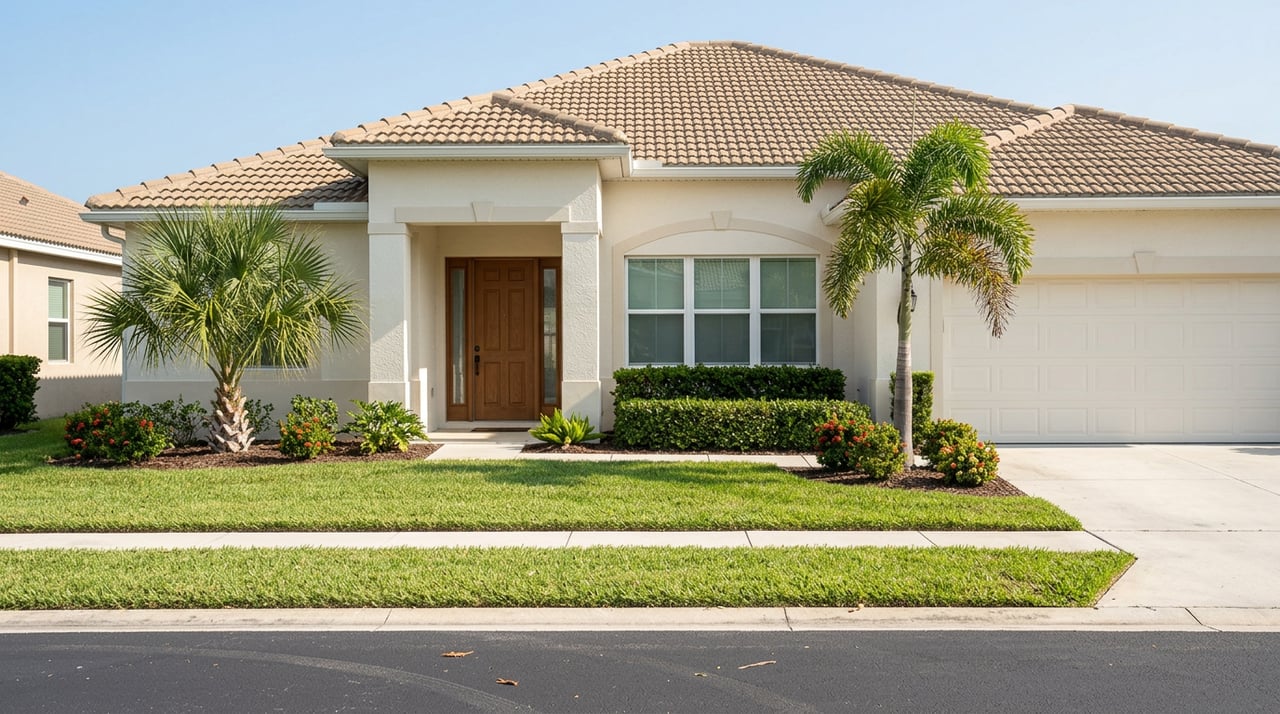
Most of Boca Chase was built in the 1980s and 1990s. You’ll find a mix of single‑family homes, villas, and townhomes, plus several 55+ villa communities such as Sweetwater and Waterberry. This range gives you options whether you want a private yard, a low‑maintenance villa, or age‑restricted living.
Home types and price context
Based on publicly listed examples, villas and many 55+ units often appear in the mid‑$200k to $400k range. Typical single‑family homes commonly list in the mid‑$400k to $800k range, depending on size, lot setting, and updates. Use recent comps for your exact home type and subsection when you get serious about an offer.
If schools factor into your decision, addresses here are generally within the Palm Beach County School District. Zoning varies by address, so always verify assignments using the district’s attendance boundary tools.
HOAs, amenities, and how rules differ
Boca Chase is a master area made up of many smaller subsections. Some are gated and some are not. Each subsection typically has its own HOA or is part of a master association, which means rules and fees vary by street. Expect differences in exterior standards, leasing restrictions, pet policies, and guest parking.
Amenities often include community clubhouses, pools, tennis courts, and walking paths. If access to a specific clubhouse or pool matters to you, confirm that your subsection grants usage rights. You can preview the kinds of shared features listed in community materials like this HOA overview page, then verify details in the exact HOA documents for the home you’re considering.
Monthly HOA fees vary by subsection and property type. Examples show a wide range, roughly $150 to over $400 per month, depending on whether landscaping and amenities are included. Before you commit, review the HOA budget, reserves, recent meeting minutes, special assessments, and common‑area insurance coverage.
Older vs newer homes: what to inspect
Many homes here predate Florida’s post‑2002 building code updates. Homes built under the modern Florida Building Code generally include stronger wind‑resistance requirements. For homes built before 2002, ask for documentation of any wind‑mitigation upgrades like impact glass or shutters. For background, see how Florida’s code changes improved resilience in this legal and policy overview.
Roofs deserve close attention. Concrete or clay tile systems can last 30 to 50 years or more with proper maintenance, while asphalt shingles typically last 15 to 30 years. Request roof age and invoices, and consider a roof‑specific inspection to review underlayment, flashing, and wind‑uplift details. Learn more about tile roof lifespans from this tile roofing explainer.
HVAC systems in hot, humid climates often run hard. Many central AC units have useful lives around 12 to 20 years, with corrosion and heavy use shortening that timeline. Ask for service records and plan ahead if the unit is 10 years old or more. Here’s a helpful overview of HVAC life expectancy.
Plumbing type matters. Houses built or renovated from the late 1970s to the mid‑1990s may have polybutylene piping. If present, you should plan for a full repipe and price the home accordingly. Get clarity from a licensed plumber and read up on known PB pipe issues.
Florida’s pest pressure is real. A termite or wood‑destroying organism (WDO) inspection is standard, and annual prevention contracts are common. The UF/IFAS Extension’s termite guidance outlines why ongoing monitoring is wise.
If the home has a pool, budget for equipment and enclosure upkeep. Many single‑family homes have screened pools, so add a pool inspection to your checklist. Waterfront lots may require a seawall or bank inspection and can bring different insurance considerations.
Micro‑location tradeoffs inside Boca Chase
- Near SR‑7/US‑441: Faster access to shopping and major routes. Homes closest to the corridor may experience more traffic noise, so visit at rush hour to decide if it suits you.
- Lakes and canals: Waterfront views are attractive and often command a premium. Check for shoreline stability and potential erosion, and get a marine or seawall evaluation if applicable.
- Everyday services: West Boca Branch Library and West Boca Medical Center are convenient to the area. If shaving a few minutes off your drive is important, map the exact subsection. You can view the West Boca Branch Library location.
Flood maps and insurance: verify early
Palm Beach County’s flood maps were updated in late 2024. Base Flood Elevations changed across many parcels, and some zones shifted. Do not assume a home’s flood status based on a neighborhood overview. Pull the FEMA FIRM panel and request an elevation certificate for the exact address, then obtain an insurance quote before you finalize your offer. Start with the county’s flood zone update page.
Florida’s insurance market has also been dynamic. Homes with documented wind mitigation, newer roofs, and higher elevations tend to be more attractive to private carriers. Get homeowner, wind, and flood quotes early in your process. For context on the state market and the residual insurer, review this Citizens Insurance update.
Your Boca Chase tour checklist
Use this when you schedule showings and prepare an offer.
- Verify the subsection: gated or not, 55+ or all‑ages, and specific amenity access rights.
- Request HOA documents: CC&Rs, bylaws, rules, current budget, reserve study (if available), last 12 months of meeting minutes, and the master/common‑area insurance certificate.
- Ask for seller disclosures and permit history for any major work (roof, pool, additions, impact windows). Cross‑check county permit records.
- Confirm monthly HOA fees and what they include, plus any planned or recent special assessments.
- Pull the FEMA FIRM panel and, if available, obtain the property’s elevation certificate. Get flood, wind, and homeowner insurance quotes.
- Order inspections: general home inspection, roof evaluation, HVAC assessment, WDO/termite inspection, and pool inspection. If the home is waterfront, add a seawall or bank inspection.
- Check for polybutylene plumbing if the home was built or renovated between the late 1970s and mid‑1990s.
- Review roof age and material, window and door protections (impact glass or shutters), and any wind‑mitigation credits that could lower insurance costs.
- Collect recent utility bills for electricity and water to budget HVAC and pool operating costs.
- Visit at different times of day to assess traffic patterns, noise, and sun exposure in the yard and on the patio.
Next steps
If Boca Chase fits your lifestyle, the right preparation will help you move quickly and confidently when the right home hits the market. Start by narrowing to a few subsections, then line up your financing and insurance quotes while we pre‑review HOA documents and recent comps.
Have questions or want a tailored Boca Chase tour plan? Reach out to Courtney Farrell for local guidance, on‑point due diligence, and a smooth path from offer to close.
FAQs
What types of homes are in Boca Chase?
- You’ll see single‑family homes, villas, and townhomes, plus several 55+ villa enclaves like Sweetwater and Waterberry, mostly built in the 1980s and 1990s.
How much are HOA fees in Boca Chase?
- Fees vary by subsection and property type, with examples ranging from about $150 to over $400 per month depending on amenities and what services are included.
How do Boca Chase flood zones affect buying?
- Flood risk is address‑specific; use Palm Beach County’s flood zone update page, pull the FEMA map for the property, request an elevation certificate, and get a quote before you commit.
Are Boca Chase homes older, and what should I inspect?
- Many homes predate 2002 codes, so focus on roof age, wind protection, HVAC life, potential polybutylene plumbing, and termites, plus a pool and seawall check if applicable.
Will insurance be hard to secure in Boca Chase?
- Florida’s market is changing, so start quotes early; homes with wind‑mitigation features and newer roofs often see better options with private carriers. See this Citizens Insurance update for context.
Which schools serve Boca Chase addresses?
- Zoning varies by address; commonly reported local schools include Sunrise Park Elementary, Eagles Landing Middle, and Olympic Heights Community High. Confirm using the district’s attendance boundary tools.